Tuesday, August 19, 2014

Field Experience Interview

My thoughts on technology in the classroom seem to be ever changing, just like technology. Overall I am absolutely for technology in the classroom. I think it is a great tool and should be utilized to its fullest potential. Technology is a powerful tool and needs to be treated as such. With this said, I do think it can come with some drawbacks but I feel they are minor.

Technology can have a way of overwhelming people if they do not have the background in it or if it is something they have not fully experienced yet. It can also be an easy distraction for students as well as teachers. This can be avoided if the teacher has the proper skills to keep the students on track and focused on the task at hand. I think it is important that teachers become educated in the technology they are using in the classroom and even become mini experts at it. They should want to not only be able to use the technology effectively but teach their children about it as well.

I think another great way to use technology in the classroom can be to extend a lesson or give it a little extra something! Children love using technology because it is generally something they have a lot of experience in and something they enjoy using. Teachers can use this to their advantage and extend lessons using different web applications to create group projects or individual projects to further the students' learning. I also think we can use technology as an incentive to get work done properly the first time. We can reward students with an educational game to play after they get done with their work.

Technology can help students with specials needs in amazing ways also. There are so many different forms of technology we can use to help these children from iPads to different forms of hearing aids, smart boards etc. Technology can also be an extremely effective teacher tool. Teachers can use it for lesson planning, grading, help diagnosing an issue a child may have and so many other ways. We can use it to interact with other teachers for ideas and help as well. 

Technology in 2014 has come so far. There are so many things we use it for that we take for granted. We all use technology all the time and it is always growing and changing which is why it is a great reason to stay up to date on different technologies being used in the classroom. We, as teachers, need to know about the best ways to teach our kids and stay up to date on all practices being used in the field of education.


For my Field Experience interview I chose to interview Kathy Schrock. Here is a link to her blog. 


Kathy currently works at Wilkes Univeristy. She is an educational technologist who specializes in gadgets, gizmos, PLNs and other technology that impacts education and learning. She also presents at conferences on the use of technology to support teaching and learning. She also works for the Discovery Education Network and is the creator of
Kathy Schrock's Guide to Everything

I asked Kathy the following questions:
 
1. How do you feel the use of technology in the classroom has impacted children with special needs?
The previous iterations of assistive technologies were very specialized-- there were separate devices for reading, AAC, listening, etc. The ability of one mobile device that can run all the specialized software has opened a entire new world for special education students in the classroom and at home.

2. How do you feel about connecting technology in the classroom and in your students’ homes?
I am not quite sure what you are asking in this question. If you mean having a 1:1 initiative in the classroom in which students take the devices home to use when they are not in school, I am all for that! With these types of initiatives, all students are on a level playing field with the technology they have access to at home and at school.

If you are asking me if what students do in school with technology should be able to be continued at home, in lieu of a device going home, I also think that is a laudable goal. That is why many schools are Google Apps for Education schools, since the student has access to the same tools and to the work they did at school when on a computer anywhere!

3. What is one way you think technology can hurt the way students act or learn within a classroom?
I don't think technology can hurt the way students act or learn within a classroom. I think the question is more about teachers-- if the teacher does not prepare assessments that use the technology in a meaningful way with a pedagogically-sound basis, I think the use of technology for technology's sake is a waste of time and hurts students by taking away from true learning time.


4. What has been your biggest battle you’ve had to face when dealing with technology in the classroom?
Using technology in the classroom requires so many things to be in place, none of which have anything to do with teaching and learning! The network needs to be robust so usage speed is acceptable, teachers need to be able to unblock content filters themselves to get through to sites that are mistakenly blocked, and there needs to be a classroom set-up that allows for charging of the items while continuing to use them. Unless all of these things are in place, frustration sets in.

5. Do you feel the children are more engaged now with their learning than they may have been in past years due to the increase in technology?
I don't like to think that the technology causes the students to be more engaged than students were before technology was in the classroom. I think, again, it goes back to the pedagogy that the teacher is employing. With the research showing that project and problem-based learning and constructivist activities lead to students mastering and retaining content more readily, I feel that the technologies in the classroom can provide students access to information, creative products, and content that they never had before, when and where they need it. I think that is what makes learning more engaging.

6. What is your favorite form of technology to use in the classroom?
I am partial to the tablets but used as a creation tool, not a consumption device. The many, many apps and online tools that are available for students to create products to showcase mastery of content knowledge are really amazing!

7. Do you have any special projects you do with your children using technology that you see really spark their interest?
My students are now all adults-- I do workshops in schools and teach online grad level technology courses. I think the two projects that teachers realize are valuable to them are the use of Twitter for professional development and developing a personal learning network, and the use of RSS to aggregate blogs in one place to help them expand their knowledge, too.

8. What would you suggest as the best assistive technologies for students with learning disabilities?

9. What are some of your testing guidelines before implementing a type of technology into the classroom?
I have always been an early adopter, and try out new technologies as soon as they come out. Even items that are not intended for education are often on my list of things to learn about. However, I always have the same questions in mind-- does this technology support teaching and learning in a meaningful, pedagogically-sound way? Is it cheap enough to be scalable? Does it allow teachers to develop lessons or units that move up the SAMR scale? 


After talking to Kathy I found that I agreed with her on the use of technology in the classroom. Upon reflection I found that she further increased my understanding of use of technology in the field of education. Our interview also strengthened my current views on technology and helped me to gather more information that I can use in the future. Overall, I think Kathy is a great resource to use and I am glad I got to spend some time with her to discuss this.
 

Wednesday, August 13, 2014

Animoto

Here is the finished product! http://animoto.com/play/xDcnouhBOwn3FoLxmumRwg

The two common core standards I felt linked best to this activity are the following:

CCSS.ELA-Literacy.RI.6.3
Analyze in detail how a key individual, event, or idea is introduced, illustrated, and elaborated in a text (e.g., through examples or anecdotes).

CCSS.ELA-Literacy.RI.6.7
Integrate information presented in different media or formats (e.g., visually, quantitatively) as well as in words to develop a coherent understanding of a topic or issue.

I honestly didn't love this activity. I don't like how you can't attach more than a certain length of text. It was very limited and I felt that if this is being used for educational purposes it limits how much a student can do. If it worked a bit more like a power point presentation where you could change the layout and really have unlimited options then I think it would be better suited for students in the classroom to use it to complete projects but I was having a difficult time just fitting small facts on a slide. Other than that one issue, however, I really liked it. I enjoy the final project and I like creating a mini movie that can be watched after. It is definitely more entertaining than a power point presentation since it includes music and the transitions are more seamless. Overall I liked the application but wish you could include more text.


Tuesday, July 29, 2014

Week 5 PBS Frontline

Your thoughts on multitasking.  Do you agree?  Can you multitask?  Do you disagree with the video on the topic of multitasking? What do you think our students think about multitasking today?I think multitasking can be a positive and negative thing. It has to be used in the right context. Of course the greatest example of how it is a risk right now is texting and driving. It is so easy to pick up the phone, send a quick text or read one and lose control of your vehicle because in a split second something on the road changed. I try to keep my phone in my purse while I am driving but since my music is linked up to my phone and so is my GPS I am constantly using it during my trips. Now in some states they banned texting and driving but is changing the music on your phone or entering an address into your phone's GPS any less distracting? How can we decipher which technology to limit? Now when it comes to other things in life and multitasking I guess the situation differs for everyone. I hate when I am out to dinner with friends and I look up and everyone at the table is on their phones. I think this is a tragedy. 


 I believe there is a time and place for multitasking. For example, watching tv and checking out a sporting event score on your phone is fine but if you are out to dinner with someone or spending time with another human your focus should be on that person and not your phone. Of course there are always exceptions to the rule. If you are out to dinner with your spouse and the babysitter texts because the baby is sick, for example, is one reason technology has been beneficial and in that case I do not think multitasking is harmful

I think students today don't understand any other way than multitasking. They have been brought up around parents that are always on the go. I see students in my preschool classroom in dramatic play holding a cell phone on their shoulder talking and "cooking" dinner at our pretend stove. Children copy what they see. I can go back to being at a restaurant and being on the phone. So many parents bring their iPhones or tablets to restaurants to entertain their children. This blows my mind! I was never given anything other than crayons and a piece of paper as a child. Why can children no longer be satisfied with that? I'm sure if I have my own children there will be times when I want to have some peace and quiet so I give them my phone or whatever technology is relevant at the time but to do it all the time and for the whole meal just baffles me. 
 
Is there an addiction happening in society today with technology or is it just a new way of living?   Should we be concerned?

This brings me to believe that we as a nation are now so addicted to technology that we may not even recognize it. I know I am, unfortunately. If I do not have my phone on me I feel lost. We use our phones for EVERYTHING, checking the time, the weather and even music. I would definitely say we are becoming addicted to technology. I think we need to find a happy medium between how much technology we do and do not use. I understand we all need it in some way but to be glued to your phone all the time just seems crazy to me. 
 
Do video games serve a purpose in education or are they a waste of time?

As for in the classroom, I believe technology can be very beneficial. We use it for lesson plans, to interact with parents and to engage students in a unit. I think using technology as an educational tool is great. I do not think video games have a place in the classroom. I guess if they are teacher picked and have a clear educational goal they can be fine for fillers or rewards but then where do we draw the line? Can children bring in their own games if they are educational? Will children be rushing to finish their work so they can play on the computer? I think the classroom is where we should be limiting some of the technology the children can use since most of the time they are most likely stuck to a TV or computer all night at their homes. 
 
How did what you watched in the two videos support your feelings about technology or how did it change your views?

I think watching the videos may have further supported my feelings about technology and children. It has, to an extent, gotten so crazy and out of hand with some children that it has become very unsafe. Children are going to rehab to learn how to play again because they are so addicted to technology that they do not know how to go outside and play. I find this very sad and disturbing. I think technology is great in certain aspects but I believe we also use it as a crutch. Parents give their children an iPhone or iPad at dinner to keep them quiet, which if the situation is out of control I understand but children should, in general, be able to sit at a table and eat a meal without technology. So, after looking back at the videos they basically have not changed how I feel about technology. 
 

Are kids and adults today ruining their digital footprints by sharing too much information online without realizing that it may be detrimental to their future? Should they care?  Are they focused on too much of what others think?
I think children today might be ruining their digital footprint by going online at such an early age but I don't really know how that is avoidable unfortunately. This is how children are growing up and by 12 kids have a Facebook account where they can post anything they want. I think as educators we need to inform them of their rights and responsibilities as a digital citizen. We need to make them aware of their digital footprint and that even if they click "delete" whatever they wanted deleted is not gone forever, it's out there in cyberspace just floating around. They should care that what they are posting can be harmful to others or themselves but I feel as though a lot of children are unaware that their actions, even if they are supposedly anonymous online, can still come back and hurt someone. I feel this really resonates with cyber bullying nowadays.  Children feel as if because what they say is anonymous it doesn't matter and that they can say whatever they want. Parents need to monitor their children better when they are on the computers to help avoid this.

 What do you feel are the dangers of technology use?  Are there any?
 I think there is a huge danger with technology if it is not used appropriately. It starts with children not being monitored or educated adequately like I previously mentioned. Some other dangers that I believe are relevant include fraud, such as identity and credit card. If someone is purchasing something online they are at risk of getting their credit card number or even their identity stolen if the website is not credible. 

In the first video there was a teacher who said that technology has become more like oxygen for children. He said you wouldn't want to take a child's oxygen away. So what should we do? Give them something they understand and teach in a way that will most benefit the students. 

Wednesday, July 23, 2014

AUDIOBOO!

https://audioboo.fm/boos/2347116-audioboo-blog-kari

Here is my weird recording of my own voice for our Audioboo! It was strangely easy and I really enjoyed it!

Week 4 Digital Citizenship

 Before this class I had never heard the phrase "digital citizenship". So everything I have learned recently about it is brand new to me. I have heard certain phrases and key points before and understood what digital citizenship means but I had never actually heard of it. I think the most interesting thing I learned about was digital health and wellness. I know people have to be safe online with their identity and credit cards but I never thought of it as an element.  

I really think the whole concept of digital citizenship is really interesting. I like the fact that it is broken down into nine categories that are all sort of intertwined. I think teaching digital citizenship is important in today's age because technology is so important. Children are surrounded by technology and the internet and are probably on the internet a good portion of the day so they should know about digital citizenship. I don't think that all the student's parents are teaching them about the risks and different factors that go into being on the internet and I do think it is a teacher's job to make the children aware of the things that can go on a computer. They may not believe you at first or even take the information you are giving them seriously but it is our job as educators to make them aware of the risks that being on the internet has. 


 The digital footprint exercise didn't really surprise me. I am aware of how much internet I use and how much of my information is out there. I like the idea of being able to be connected with people around the world and I like using the internet to talk to people about things. I also use technology for many other things that I think are helpful to us. I have a jawbone that connects to an app on my phone that records the steps I take, how much I sleep and can also keep track of how much water I drink and my calorie intake. I think it is amazing how much we can do on the internet. 

We need to teach children about their digital footprint. If you are a K-3 teacher like I would like to be I think it could be a quick lesson one day but if you teach older grades I think it should definitely be something we talk about with our students and inform them of so they can make the best choices for them.

Wednesday, July 9, 2014

Week 3 Part 2 Webquest Time!

So I am super excited about this webquest because I finally came up with an idea that I am actually excited about and that I think kids would really enjoy working on. After doing some research
I decided that the topic I think is the most intersting for me as well as the students is....OUTER SPACE!!!!

I really enjoyed learning about outer space when I was in elementary school and I still enjoy the topic so I think it would be really fun to do a webquest on it. My webquest would be for 3rd graders. It will focus primarily on science and language arts. My idea is based on this webquest that I saw..

http://olc.spsd.sk.ca/de/webquests/planetwq/webquest2.html

I love the idea of creating your own planet! There are so many aspects that go into it, creativity, teamwork (if you choose to make it a group project, which I would), science knowledge etc. The goal for my webquest would be to have the students work together to create a planet and a description for that planet.

Week 3: Part 1 Blogger Report!

Blog #1
The first blogger I chose to look at was Jeff Utecht. The blog I read was about solar roadways. It contained this video.

Now I've seen this video on Facebook and just never chose to look at it. Boy was I missing out. This stuff is cool! It's a lot like the video we watched the first day in class where everything in your world is eventually hooked up to technology. For example, the ferry you take to work transmits information to your car telling you the ferry you normally take it late so no need to rush, etc. This video was all based on solar roadways and what they will do for the environment and for the way we live. I really hope these come to fruition soon (mostly because they talked about not having to shovel/drive in the snow because the solar panels would be heated).

I really enjoyed how Jeff related this video to the classroom. He compared the roadways to a classroom by saying how it is not the technology or the funding really that we need to be worried about as much as it is the stubbornness of humans. We are naturally inclined to want to keep things the same but with the change in technology we should be evolving with it and changing how we live and how we teach.

This blog helped me better understand technology and education because it further emphasized how we need to be utilizing technology and changing with technology instead of just allowing technology to become a part of a lesson. We should really be using the technology to further enhance curriculum and our teacher. Overall I really enjoyed this blog post and I would highly recommend it.


Blog #2
The second blog I read was Vicki Davis's blog Cool Cat Teacher. It instantly grabbed my attention because it was titled "10 Ways to be a Terrible Teacher". I really enjoyed this post because it was her personal opinions on what can create a "terrible teacher". Some of her points I thought were obvious (don't spend all day on your phone) but I guess with technology booming and people being stuck to their smartphones everyday this may be something that needs to be remembered.

Overall I enjoyed this blog. It didn't exactly connect technology and education or help me better understand the two. I felt this was more of a personal blog and she was kind of using it as a vent/outlet which is of course fine. I enjoyed reading it and we share a lot of similar opinions on teaching.

Blog #3
The final blog I chose to read was written by Angela Maiers. I felt this blog post was extremely appropriate because it was titled "How Companies and People Must Adapt In the Social Age". The title grabbed my eye right away and I knew I had to keep reading. It wasn't a long blog post but one quote that really stuck with me was "The Social Age is not the Technology Age. New technologies, though powerful, are merely the tools that allow us to connect and be productive. Instead, our changing interactions are the defining piece of this new shift." I thought this quote was especially interesting because it was along the same lines of other things I had read recently. The technology doesn't seem to be most people's (or technology minded peopled for instance) concern. The problem is how we use the technology or how we are too afraid to change with it. This blog just reiterated this information for me and really drove it home.

Wednesday, July 2, 2014

Week 2 - Webinar: Autism, iPads and Accessibility


The webinar that I watched, Autism, iPads and Accessibility, was an archived webinar given by Toni Plourde. Toni Plourde is an educational assistant, originally from Texas who now works in the Livingstone Range School Division in Alberta, Canada. The reason she gave this webinar was to inform people on how to enhance learning through the use of iPads. The main focus of this webinar was the integration of iPads with children with Autism. The presenter talked about multiple different apps that someone who is working with a child with Autism might use. She went through and showed how she used each app and what she used them for specifically. She really focused the webinar on talking about one student, Chase, and how she used these apps to help him succeed in school. Students with Autism tend to be visual learners so an iPad is a really great tool to use to help these children succeed at school. The presenter also mentioned how iPads are a great calming positive activity. For children with Autism their brain is firing a million different ways and it can be easy to become overwhelmed at school on a daily basis. An iPad can be used to calm them down and bring them back before they have an outburst.

As Chase's teacher, Toni had developed different goals for him and she used the iPad to help him meet these goals. Two goals she discussed in the webinar were communication and toilet training. To achieve these goals she used apps such as Windows Movie Maker and other apps to create personal picture stories. Children with Autism learn best with concrete information so she used pictures of Chase doing each activity she wanted him to do and showed him pictures step by step in order to get him to complete a specific task. For example: to get Chase to use the bathroom she had pictures of the bathroom door at his school, a stall, him washing his hands, etc. She also used the same method for communication and getting him to interact with his peers. She would take a picture of him playing with a specific friend that he would normally play with and an audio bubble saying "do you want to play with me?" She found that this really helped him.


I thought this webinar really resonated with a specific student I have at work. I know that he would do so well with an iPad but unfortunately I work at a school which gets a grant for limiting screen time and I think an iPad is just not a luxury we can afford. Fortunately this student in my class is three and heading off to a specialized preschool in the fall where I may ask if they can try to get an iPad for him. I've seen the work this child has accomplished with a simple app on his mom's phone. He learned all his letters and can recognize them when given the opportunity. If I could use an iPad at school with him to create visual story boards like the presenter used with Chase I really believe he could be more successful at schools and his outbursts would minimize.

If I had the appropriate technology I would love to use these sort of applications (visual story boards) for children on the autism spectrum. I had a student in my class who I thought was on the autism spectrum. He had a very hard time during transitions so we made him picture cards and they helped a lot during transitions but unfortunately his parents lost them. If I had an iPad in my classroom I would create a visual story board for this child for transitions and other activities I could see he had difficulty with. I could then send it, potentially, to the parents personal iPads or even iPhones. This way the parents would not be able to lose it and the child could have a consistent routine with the picture cards at school as well as his home.

Through this webinar I learned some of the benefits of using an iPad in the classroom, especially for students with autism. Originally I thought that iPads could be used just for apps that teach children things or keep them occupied but the presenter showed the Windows Movie Maker app and explained how she used it to create personal picture stories for one of her students to get him toilet trained and to interact with other children. This would be great in my classroom because of those difficult transition times when children like to know what is happening. You could create the movie and show the child what is coming next because for children with autism it is easier to see concrete information rather than hear words and try to create a scenario in their minds. I would love to be able to use this information in my classroom if I had the technology but unfortunately I do not. If I ever did have this technology in the future the apps that the presenter showed us would definitely be some of the first ones I would try.

I think webinars can be a great tool to help us learn new things. This webinar was free and only an hour long and I feel I really learned a lot of using apps and iPads with children with autism. I have done other webinars for professional development hours for work as well and I think they are great resources for that also. As a teacher I must maintain 18 hours of professional development throughout the year and sometimes those can be hard to come by or expensive. Webinars tend to be free and the previously recorded ones can be done on your own time which I think if very helpful.

This webinar met some of the course outcomes for this class. I feel the outcomes it met are the following;
3. Demonstrate an understanding of safe, ethical, legal and moral practices related to digital information and technology

 This webinar met this outcome because it taught me a new way to help my students using safe and legal practices that are already in place in some schools.

5.Demonstrate an understanding of the use of assistive and adaptive technologies and other digital resources to personalize and differentiate learning activities for every student

This webinar definitely met this outcome because the whole basis of this webinar was discussing the adaptation of technology into classrooms, specifically with children with autism in order to help them succeed. The iPads were used specifically to differentiate activities so each child could succeed. 

6. Evaluate and reflect on emerging tools and trends by reviewing current research and professional literature


Through my reflection within this blog post I have met this outcome because I am reviewing current research and trends. 

Tuesday, July 1, 2014

Week 1 - Should we integrate technology into the classroom?


My first reaction to this question is almost instantly a yes! This youtube video didn't necessarily say much but it did reiterate the fact that children nowadays are growing up in a digital world. They will learn best with what they know. Today, that is learning through technology. As educators we need to understand that technology is not going anywhere and be willing to accept that and help our students because the best learners they can be. Technology will most certainly help us along this path.

Something I found stunning from the video I mentioned before was the fact that China has more honor students than the United States has citizens. When I think of China one of the first things I think of is technology. Clearly they are utilizing the technology they have at their disposal in the classroom and it is greatly benefiting their students. The United States should follow China's lead and become more technology savvy. This will not only help the students succeed but the teachers as well.

I know technology is not an easy thing to come by in a lot of school districts but what is available will be very beneficial to the children. I believe that they will be willing to try harder or even enjoy school more if they can use technology to enhance their learning. People in general do what they love, if children love creating a digital story online rather than doing a pen and paper book report then we should encourage that! If that is how they learn the material best than that is what is truly important.

In an article discussing reasons why educators should encourage more independent learning it gave this reason:
Independent learners are more aware of their own strengths and weaknesses.
A weakness is only as dangerous as the level of ignorance the person has about it. Independent learning forces students to grapple with both their strengths and weaknesses through the educational process.

I thought this quote was really powerful because if we allow children to become more independent learners than they themselves are responsible for their education. Through that required responsibility children can define their strengths and work on their weaknesses. I think this is a great skill to have later in life. So many of us have a hard time identifying and overcoming weaknesses but maybe if we were forced to look at this earlier on in life we would be able to handle our weaknesses better as adults.

Overall I think technology should definitely be integrated more in the classroom. The world we live in is becoming increasingly reliant on technology and we should embrace that. Our students enjoy technology and it is our job as educators to teach them in a way that will make them enjoy learning.

Wednesday, June 18, 2014

Practice with Links

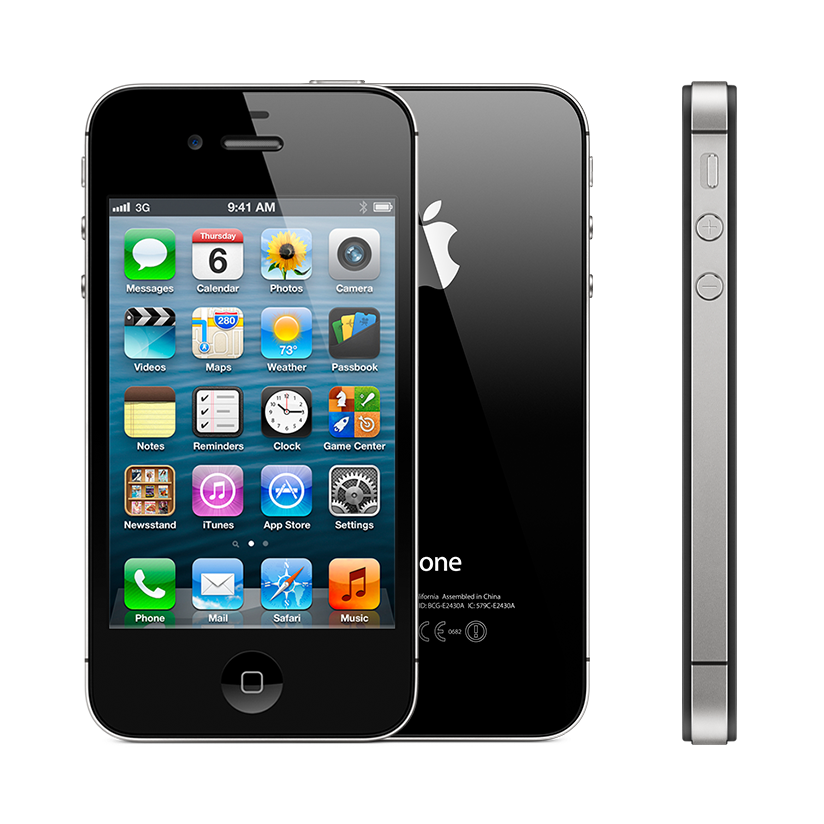
iphone


Type of technology I use in my every day life...

I am constantly using technology. Whether it's streaming videos on Netflix, watching TV or using my cell phone for Facebook, Instagram etc. Technology has come so far where it would be hard to imagine life without it. I get sports updates on my phone, keep in constant contact with my friends through text or phone calls, as well as keep in touch with other people through email. Technology is how everyone gets in contact with each other now-a-days. I don't use technology as much in my classroom. I would like to use it more but being a preschool teacher at Easter Seals we have some strict rules about technology. We receive national grants for reducing screen time. We are only allowed computer time with the children for educational purposes. I would like to be able to watch movies with my children occasionally or have the perks of using an Ipad or a tablet with some of my children that have special needs and thrive off the use of technology. I understand the reasoning behind limiting screen time but with a generation that lives primarily through technology it is hard to teach them without using the same technology they have become accustomed to.